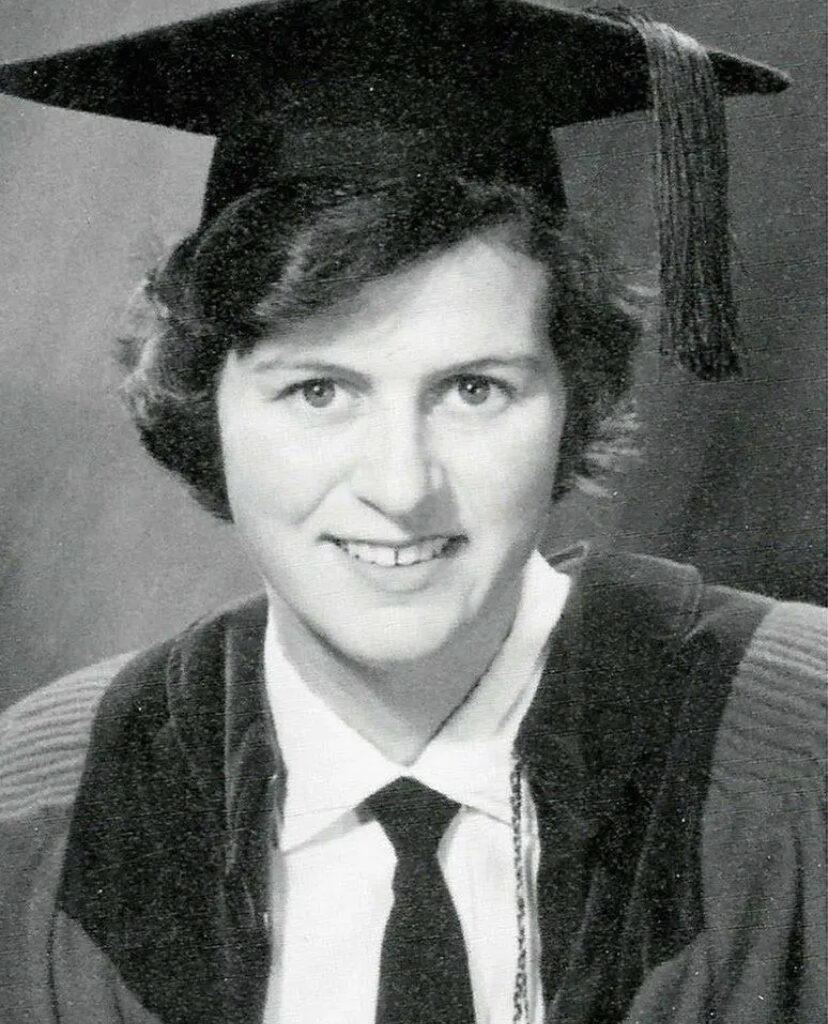
How I was impacted by My MSc. Development Management.

Upon selection by Kulika Uganda in 2008, I was awarded a scholarship by Common Wealth to pursue my master’s degree, Msc. Global Development Management, from the open University, UK. That time then, I was working with NatureUganda as a project officer but little did I know that I was heading for life transformation.
The first chapter of the course (Development context and Practice module) was the immediate opener of the development dynamics at the global level and how they affect the world especially developing countries. This was coupled with a number of courses related war, conflict, environment, institutional management all with techniques and design required in today’s development world.


As opposed to imparting only knowledge and career, the time of my engagement with the Open University was an award of a tool box to fix and solve development problems with multidimensional approaches. This has made me cross over to many professions I had never dreamt of before. I have managed to consult in a number of areas ranging from gender, adolescent sexual reproductive health, environment, culture, health, agriculture among others. These engagements have earned me good rapport with the consultants I have worked with. I have consulted with a number of organizations which include UNESCO in Uganda, Forum for African Women Educationalists, Fauna and Flora International, Solidaridad among others. Through these engagements and others, I have been co-opted on teams to conduct a number of researches ranging from baselines to tailored studies.


It is from these engagements that I was identified by Fauna and Flora international to kick start the cultural values and conservation project in Semliki National Park and Musambwa islands. During this engagement, I designed a number of training manuals and the Musambwa Islands General Management plan. My experiences from Fauna and Flora International coupled with the techniques and tools acquired from the Open University, help me achieve an award from Rufford Foundation to engage with communities in Rakai on growing the Ficus tree to promote forest conservation, culture of the Baganda people and the ecological services like firewood, soil fertility derived from the tree.

My engagement with the conservation and development arena has further earned me an opportunity to work with the oil industry as a biodiversity officer. This opportunity has further enhanced my conservation skills especially in biodiversity research but the most interesting bit of it is myself as a brand with the spice added from Open University engagements.


As a development and environment manager, I look forward to continuous growth into more management positions using the foundation I acquired from Open University and hopefully one time head a UN agency but most of all create impact from the very community and country I come. I envisage to do this through improved access to quality education, improved livelihoods and environmental conservation. The spirit inculcated in me by Kulika and Common wealth has granted me to extend a similar hand to others by educating one girl through University and also assisting one bright needy girl to achieve her education goals. I believe that if each one of us continues emulating and supporting Kulika Uganda, change can be realized right from the grassroots to International levels.
For God and My Country. Long Live Kulika, Long Live Open University, Long Live Common Wealth.

Seguya Henry Kizito.
Open University graduate, Msc Development Management, 2011
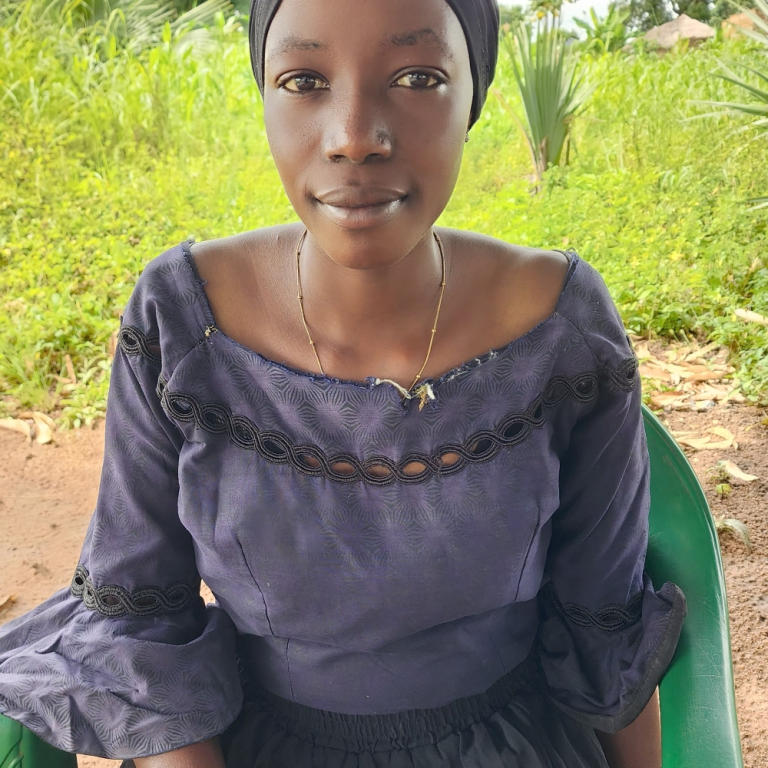
How non-formal vocational skills training empowered Gertrude to rebuild her life.

In Omugo extension refugee settlement, Gertrude, a 27-year-old single mother Ugandan, faced extreme hardship after the loss of her mother during her secondary education and the death of her husband in 2019. Her life was defined by grief and struggle. Left to care for her one child and five younger siblings with no income or support from the father, she was forced to drop out of school in term one of her Senior 4 class. She spent her days doing difficult “leja-leja” (casual labor) work, often working for food, soap, salt and other family basic needs. Gertrude’s daily life was marked by overwhelming emotions, leaving her stressed and without hope for life.

The turning point came in July 2025, when Gertrude saw an advert for out-of-school youths non-formal vocational skills training by Kulika Uganda in partnership with Wilde Ganzen. “I saw the advert pinned at the innovation center in Ofua 4, which previously I did casual labor of fetching water during its construction, I recognised it as a potential path forward for me, also desire to overcome my past failures-including a memorable and unsuccessful attempt at making mandazi, I applied for the baking and catering trade and I was accepted,” she explains.

During the early two-months of the training, Gertrude quickly acquired skills in baking mandazi, cakes, tamia and developed a desire to start her own business as she is continuing with the training, unfortunately she did not have any source of capital to meet this desire.

“It was not easy for me, I had too much fear-but through the life skills sessions that were part of the training components, I learned to open up to my trainer about my worrying financial condition-I requested for an opportunity to support my trainer in restaurant work before the start and end of each training day, I did that for the first two months,” Gertrude narrates, through a modest daily wage of Ugshs 2000 (USD 0.55) for assisting her trainer, she found a way to start her own small business of selling tea and bread in the local trading center.

This initial venture, assisted with the help of her young sister, led to a new opportunity. With a friend’s support, she secured a small room in a new market located in Omugo 6 and expanded her services to include tasty products like tamia, sweet potato crisps, pancakes and actual food.
Today, Gertrude’s small restaurant business thrives. She attracts customers with competitive pricing, and her daily profit of Ugshs 4000 (USD 1.12) enables her to provide food, clothes, and school fees for her child and siblings.

“The food that used to be a visitor in my family is truly now my daily bread,” Gertrude says, highlighting a powerful shift in her life. With her restaurant, she can consistently provide three meals a day for her family and pay for her child’s school fees-a great contrast to the days of working odd jobs for tuition. Amidst her challenges of limited capital to procure plates, saucepans, tables, chairs, she is rather trying to save money to one day build her own permanent restaurant and purchase items including a fridge to sell cold drinks, a testament to her business instincts and ambition.

This journey has not only transformed her finances but her well-being. “The greatest change is the reduced stress in my life,” she explains, her voice full of newfound confidence plans to balance her current business with the future group project when start-up is given.

Gertrude’s story is a testament to how vocational skills training, combined with resilience and a supportive community, can transform lives. It demonstrates how powerful skills-based learning creates sustainable livelihoods and restores hope for those facing extraordinary hardships.

Bausa Community Managed Savings Group (CMSG)- A Year of Growth and Transformation

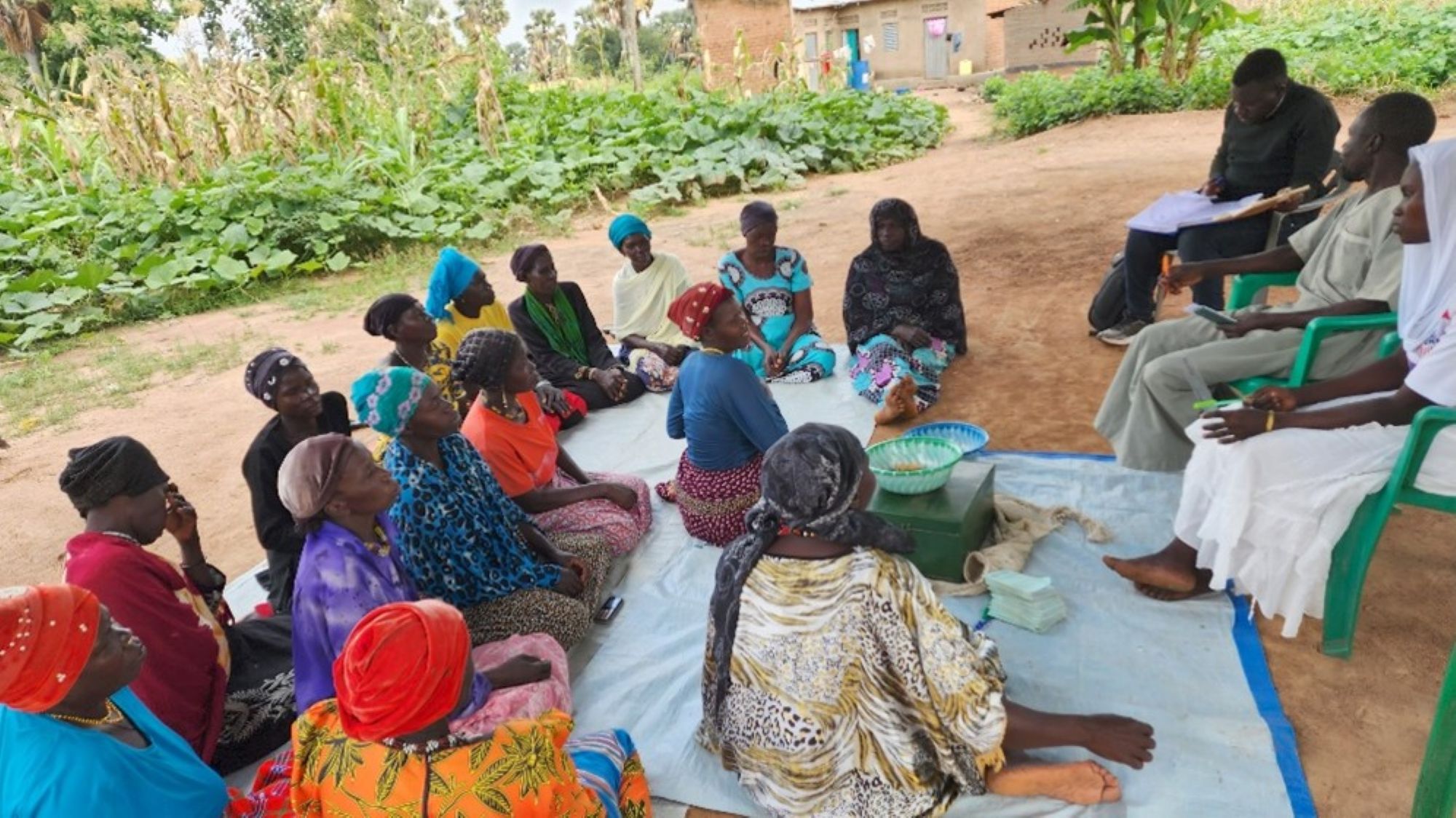
In the quiet and resilient community of Olugonga Village, Geya Parish, Bijo Sub- County, a remarkable transformation is unfolding through the efforts of the Bausa Community Managed Savings Group (CMSG). Established to promote a culture of saving and financial independence, the group has become a beacon of hope and empowerment for its 30(9M, 21F) members. With dedication, trust, and collective discipline, the group has successfully completed a full year of saving, marking a significant milestone in their journey toward improved livelihoods.

Over the past year, the Bausa CMSG members consistently contributed to their savings, no matter how small the amount. This commitment culminated in an impressive total of 4,986,000/=, which was shared among the members at the end of the cycle. The share out ceremony was a moment of joy and celebration, symbolizing the fruits of unity and perseverance. For many members, it was their first experience of holding such a meaningful amount of money, earned through their own effort and collective accountability.

The group’s lending activities also proved to be a cornerstone of their success. Through careful management of their revolving fund, the Bausa CMSG generated over UGX 900,000 in interest from loans borrowed and repaid by members. These loans played a critical role in supporting household needs, small scale businesses, and emergency situations throughout the year. The interest earned was then added to the savings pool, further increasing the group’s overall share-out amount and strengthening the financial base for the next cycle.

During the share-out event, the excitement among members was palpable. The highest earner walked away with 398,000/=, a sum that represented not only personal achievement but also the tangible outcome of the group’s shared commitment. Many members expressed deep gratitude for the initiative, noting how it had instilled in them the discipline of saving and the confidence to manage their own finances effectively.

Beyond savings, the Bausa CMSG integrated a special Education Fund, designed to support members in meeting school-related expenses for their children. Several parents shared how this fund helped them pay school fees on time and keep their children in school, reducing the financial pressure on families. “Before joining this group, I used to struggle to find money for school fees,” said one parent. “But now, I plan ahead through the group’s savings and education fund. My children no longer miss classes.”

The impact of the savings group has extended beyond education. Many members have developed ambitions to start or expand small businesses using the money received from the share-out. Others have pledged to reinvest their earnings into the next saving cycle with increased contributions, motivated by the tangible benefits they have seen. The culture of saving, once unfamiliar to many, has now become an integral part of their livelihoods.

Through this initiative, the group has fostered unity, mutual support, and empowerment—particularly among women. The Bausa CMSG has become a platform for members to share experiences, learn financial management skills, and support one another through challenges. The lessons learned from this year’s savings cycle have built confidence and inspired a renewed sense of purpose within the community.

As the Bausa CMSG prepares for its next saving cycle, members are optimistic about the future. With plans to improve their record-keeping, increase savings, and diversify their activities, the group is determined to achieve even greater milestones. Their story stands as a shining example of how community-based financial initiatives can transform lives, build resilience, and lay the foundation for sustainable development in Yumbe District.


From Hopelessness to Hope, My Journey with Bausa CMSG

My name is Nelda Charity Shamim, a 25-year-old woman from Olugonga Village in Bijo Sub- County, Yumbe District. Before joining Bausa Community Managed Savings Group, I was a very different person. I used to live day by day without a clear purpose. I would only think about what my family would eat next, and I had no idea how to plan or save for the future. Even though I was doing a small ground nut paste selling business, the money I got was only enough for food. I was lazy, hopeless, and I never believed that I could change my life. In fact, before joining the group, I had never held more than 100,000/= in my hands. One day, my close friend in the village told me about the Stromme Foundation’s Community Managed Savings Groups (CMSGs) being implemented in partnership with Kulika Uganda. She encouraged me to join because the group was helping people learn how to save and improve their lives. At first, I hesitated because I didn’t believe that such groups could make a real difference. But something inside me told me to give it a try. I finally decided to join the Bausa CMSG, and that was the turning point of my life.”

“When I joined, the trainers(CBF) from Stromme Foundation and Kulika Uganda began to teach us very important lessons. We learned about visioning, why people should save, and other useful topics like loan management, share out, conflict management, record keeping, anti-corruption and action audits. For the first time in my life, I began to understand that saving money was not just for rich people, it was for anyone with determination. These trainings opened my eyes and gave me the motivation to work harder. I made a personal goal that I would contribute 15,000/= every week. 5,000/= for savings, 5,000/= for the social fund, and 5,000/= for the education fund.”

“Honestly, it was not easy. Sometimes business was slow, and I would struggle to raise the money for the weekly savings. But because I had learned about planning and visioning, I pushed myself to work harder. I started waking up earlier to sell my paste and move around the trading center to find customers. Week after week, I kept saving faithfully. I wanted to prove to myself that I could be disciplined and achieve something meaningful. My goal was to become self-reliant and to show that women, too, can manage money wisely.”

“When the share-out day came, I was anxious but also excited. I couldn’t believe my eyes when my name was called as the highest saver in the group, with a total of 529,000/= I almost fainted out of happiness. I had never seen such an amount of money in my entire life. Tears of joy filled my eyes, and I felt proud of myself. I realized that all the effort, sacrifices, and lessons had truly paid off. That moment gave me a deep sense of dignity and confidence as a woman.”

“At first, my husband didn’t believe in savings groups. In the middle of the cycle, I encouraged him to join, but he refused. He told me that people in the group would eat my money. But I had faith in our group leaders and trust in the organization because they trained us every week and guided us on how to manage our savings. When I finally received my share-out, my husband and the entire family were shocked but very happy. We sat together as a family and planned how to use the money wisely.”

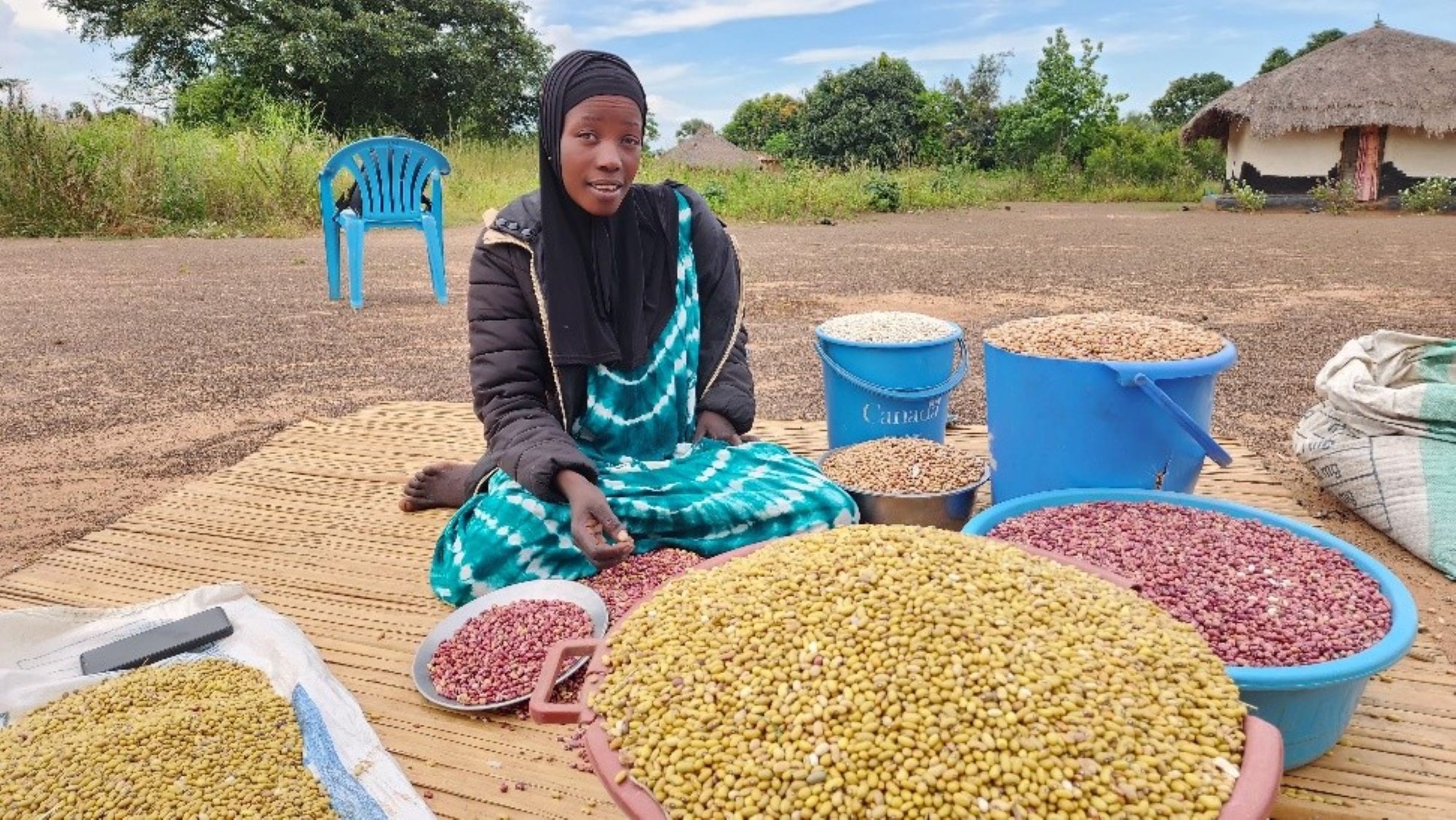
“We agreed to buy two goats, each costing 120,000/=, which we have already bought. These goats are not just animals to us, they are our family investment. I have also invest the remaining balance of the money to improve from paste business to beans business and merchandise business in the village so that I can earn more income. I am now confident that when my four children reach secondary school, I will be able to pay their school fees, especially when the goats start producing. This saving group has given me hope, strength, and a reason to dream again.”

“I now look at life differently. I believe in hard work, planning, and saving. I have set a new goal to save even more in the next cycle and to involve my husband fully in our family savings journey. My message to all women in our community is this: Don’t wait for someone to rescue you. Start where you are. Join a savings group, learn, and work hard. You can transform your life just like I did. The Bausa CMSG has shown me that even small steps, when taken with faith and discipline, can lead to great change. I am proud to say that I am no longer hopeless—I am now a woman with vision and purpose.”


A Young Mother’s Journey From Struggle To Opportunity

My name is Sakaya Magret. I am 19 years old and a South Sudanese refugee living in Zone 5, Village 20 in Bidibidi refugee settlement. Life has not been easy for me. I have two children, and we live with my grandmother. She is old and cannot support us much. My husband went back to South Sudan, so I had to be the one to provide for the family.

Before Stromme Foundation and Kulika Uganda came into my life, I used to plait natural hair for women in the community. This was my only way of earning money. During the festive seasons, I would get many customers, and the income was better. But most of the year, business was very slow. Sometimes, I could barely make enough to buy food for my children. It was a very stressful time. I would think about the future and feel afraid because I did not know how I was going to raise my children or take care of my grandmother. Many nights, I went to bed worried about tomorrow.

One day, community leaders came to our area and told us about a program called CVET. They said Stromme Foundation and Kulika Uganda were looking for young people to join and learn skills that could help them start businesses or get jobs. I knew immediately that I wanted to join. I registered my name and was accepted into the program. The first part of the training was life skills, which lasted three months. I knew I had to focus more than anyone else because of my situation at home. Every day, I listened carefully to the trainers and participated fully. These life skills helped me think positively, plan for my future, and believe in myself.


DIT Assessment

After the life skills training, we were told to choose a trade that was in high demand in the market. There were many options, but I chose tailoring. I have always admired people who make clothes, and I believed this skill could help me earn a stable income. The tailoring training covered both theory and practical lessons. I worked very hard to understand every step the trainer showed us. I would sometimes practice extra after class because I wanted to perfect my work. I was determined to succeed. After three months of training, we did our assessment with DIT. I was confident in what I had learned, but I did not want to just sit and wait for the results like many others. I knew I needed to start using my skills immediately to earn money.

I decided to hire a sewing machine from a villager. The machine was not being used, so I paid 15,000 shillings per month to use it. This was not easy because it was money I could have used for food, but I saw it as an investment in my future. Slowly, I began getting customers. Some came for repairs, others for new clothes. I worked hard to please each one so they would tell others about me. Soon, I started making about 35,000 shillings profit per month. It may not sound like much to some people, but for me, it was a big change. With this money, I can now pay school fees for my two children. I can also buy basic needs for my family without depending on anyone. I feel proud that I can stand on my own and take care of my loved ones.

My next goal is to expand my business and move it to the trading center, where I can get more customers. I also dream of owning my own sewing machine, so I don’t have to pay rent for the one I use now. I have no regrets about choosing tailoring. It has given me a way to earn an income every day, not just during festive seasons. More importantly, it has given me hope and the confidence to plan for my future. I want to thank Stromme Foundation and Kulika Uganda for opening my eyes to see my potential. Without their training and encouragement, I would still be struggling with seasonal work and no clear plan for my life.

I also encourage my fellow youth, especially those I trained with, not to just sit and wait for opportunities to come to them. We all have skills now — we must find ways to use them to earn a living and change our lives. For anyone who wishes to support my dream, I welcome you. Having my own sewing machine will help me grow my business faster and inspire more young people in my community to believe that they too can succeed.

This is my story, a story of struggle, determination, and hope for a better future.


SEEDS OF HOPE

The Life and Work of Patricia Brenninkmeyer.

EPISODE 3.2: THE REALITY OF SOCIAL WORK IN UGANDA.

1
2

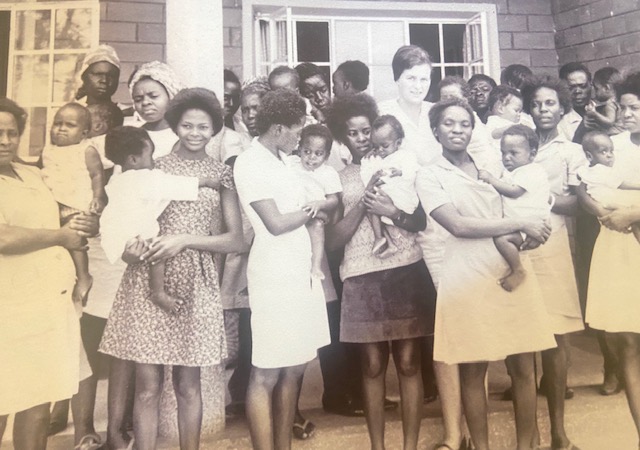
As a social worker, Patricia was almost embarrassed by the wealth her family possessed since many were quite unfortunate in her newfound community. However, her wealth was substantial in bettering the lives of the poor in Uganda. She eventually persuaded her father to invest in a new purpose-built babies’ home. The Nsambya Babies’ Home under the Child Welfare and Adoption Society was eventually redesigned as a fully functional solid building aimed at housing the less privileged babies. Patricia also fully funded the education of some of the orphans at the babies’ home for example Aloysius Byekwaso, a smart yet poor boy who was able to attend secondary school courtesy of Patricia’s selflessness, he went to one of the prominent schools in Uganda, St. Mary’s College School. Aloysius would always write to her sharing his academic progress and to-date attributes his success to Patricia.

During her free time while in Uganda, Patricia and a couple of her friends would tour around and they even encountered Mountain Elgon, a dormant volcano in eastern Uganda. However, the Priest friend with whom they had trekked the mountain fell ill with malaria and eventually succumbed to the disease while on the trek. Patricia and another friend had to carry his corpse down the mountain as other trekkers and camp members had fled earlier on. This bad experience and many other good ones are some of what made Patricia’s experience in Uganda an unforgettable one!

Another unforgettably sad experience Patricia faced while on her social work journey in Uganda was when Lillie Millie one of the teenage girls she had been taking care of escaped to Kenya with an older friend of hers in a bid to secure jobs at the Kenya Airways. While in Kenya, the two girls were reported missing and eventually found deceased, their bodies stuffed in sacks floating down the Athi River. Patricia, who was on an English break in England would eventually be notified about this sad and horrific occurrence, the culprits were apprehended and the bodies of the two girls were brought back home to their families in Uganda where they both had a decent burial they much deserved. Patricia’s attachment to these children meant that she shared in whatever sorrows or joys they experienced hence Millie’s death being such a blow to Patricia. She had to ensure that the other nurses and sisters offered limited care to the babies without getting too attached, a task that proved difficult as many of them would want to mother the babies.

In 1966, an appraisal regarding the running of Uganda as a multi-ethnic country sparked off between Sir Milton Obote the then Prime minister of Uganda and the then president Kabaka Muteesa II. Over the next few months, the military and state security services increased pressure on the Kabaka who eventually fled to exile and was eventually overthrown by Obote’s government. During this period, Patricia’s family was worried for her safety and urged her to leave Uganda, she eventually did.

Once the tension had subsided, she returned to Uganda, but a lot had changed! Obote’s regime was characterized by authoritarian rule! Political opponents were being tortured and there was increased food shortage and corruption. Unfortunately, once she thought all had calmed, in January 1971, while Obote was in Singapore for the Commonwealth Heads Of State Government Meeting, his government was overthrown by that of Idi Amin Dada. The previously peaceful Uganda was under political turmoil yet again! Patricia was again forced to leave Uganda due to the great bloodshed the country was facing under the once welcomed and praised, Amin regime.

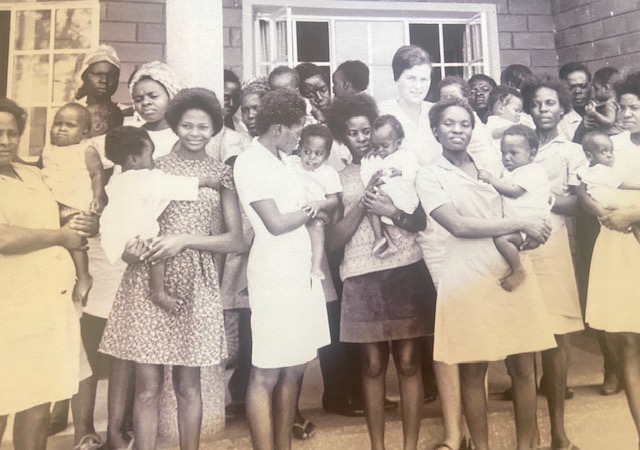
  1. Patricia shares a photo moment with some of the mothers and sisters from Nsambya Babies’ Home, they assisted with looking after the babies. ↩︎
  2. Patricia poses with the then Governing Board members of the Nsambya Babies’ Home. ↩︎

Written by Karungi Mary Providence.

SEEDS OF HOPE

The life and work of Patricia Brenninkmeyer.

EPISODE 3.1: AND SO TO AFRICA!

1

On a cold morning in 1964, at 25 years of age with a passport in hand and such high hopes, Patricia embarked on her journey 4000 miles south of London to a country that straddled the equator, Uganda. All came into place following the usual Sunday evening dinner meetings while the family conversed with Dr. Magdalena Oberhofer a friend of Fr. De Reeper, who had been working with the grail and had recently returned from Uganda. In 1953, The Grail (a community of religious lay women from Holland, England and Germany) had established themselves in Uganda at the center of the Catholicism administration head quarters at the Rubaga Hill. It was through this society that Patricia was able to travel to Uganda even though she had not joined them as a member.

Upon her arrival in Uganda, Patricia noted with disappointment that life at the grail was pretty much the same as that in Europe with a lush view of Kampala and hot water running from the taps, just like in Europe. She expected to live a life totally different from what she was accustomed to back in Europe. It was at this hill that Patricia met Elizabeth Namaganda, a woman in her early 20’s that just like Patricia had devoted her life to social work. She wore a stern faced that carried authority but her smile would always put those around her at ease. Elizabeth and Patricia would soon become good friends and enjoyed their experiences working with each other

2

At the time of Patricia’s arrival, Uganda had gained her independence two years prior and agriculture was a booming sector where 75 per cent of cultivated land was devoted to subsistence agriculture and the remainder to cash crops. A revenue of £118 million was being collected from the peasant farmers into the development of the country. However, a lot was lacking in the health sector of the country, high maternal mortality rates and infections were the norm at that time putting the lives of the nursing mothers at great risk.

While still in Britain, Patricia had secured a job with child welfare and adoption society (C.W.A.S), a catholic organization aimed at catering for the vulnerable children in Uganda. Patricia narrated to her family that working with C.W.A.S was her absolute calling . Due to the high maternal mortality rates, often times, the fathers of the children would get stuck with the babies most times abandoning them at the hospital. Therefore Patricia had to work closely with the law in a bid to reunite these children with their families and that is how she crossed paths with Ms.Matilda Sengooba, a then magistrate at the Kampala Juvenile Court. Matilda was full of praises for Patricia as it seemed like she knew all the children personally.

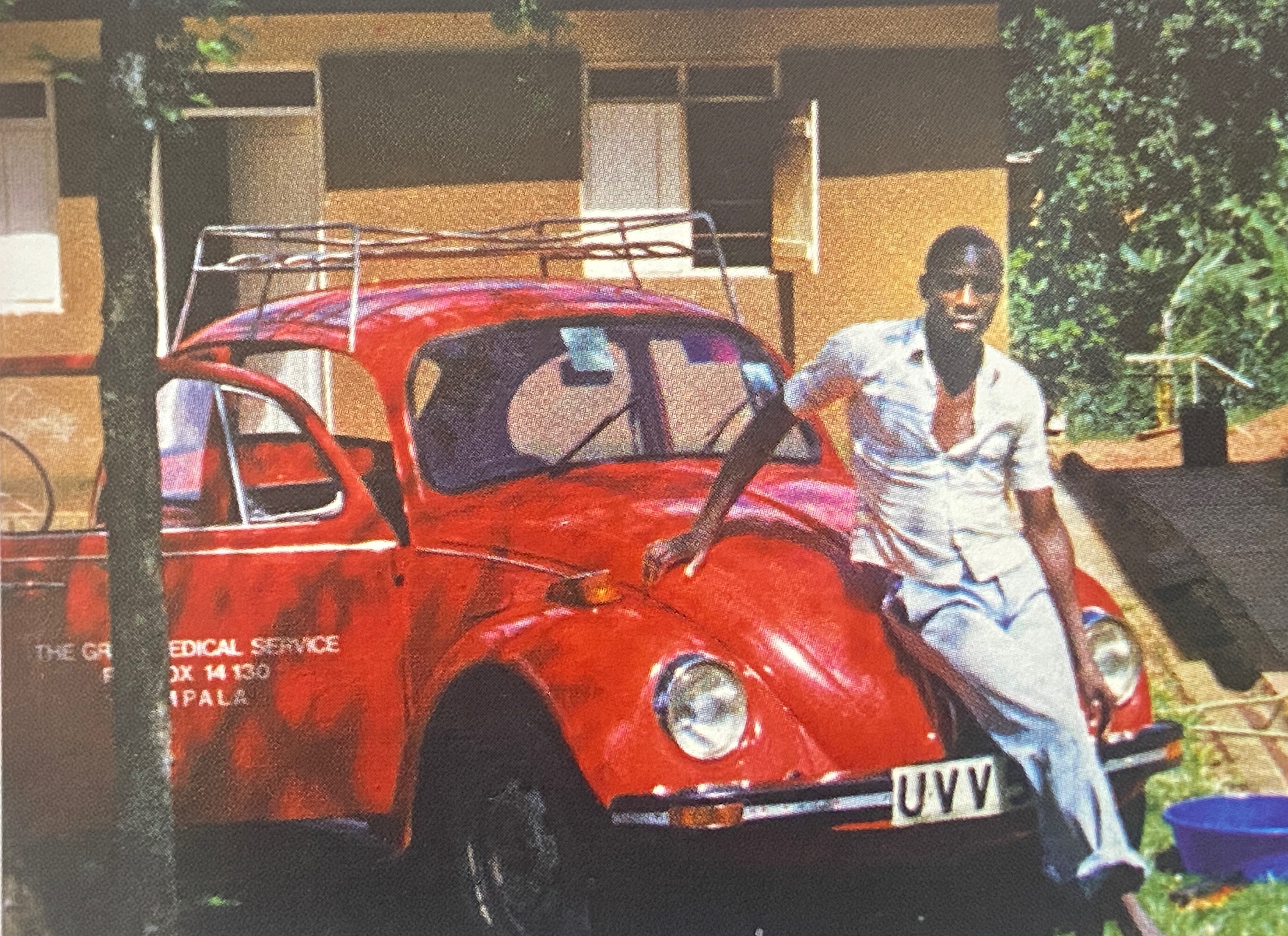
Patricia placed advertisements and announcements in the national newspapers such as the Munno in English and the different local languages, she solely funded this. She would go as far as Gulu and regions north of the Nile to areas as far as Tororo near the Kenyan border and as far as the terrains in the South where Uganda met Rwanda and Congo. She eventually purchased a Volkswagen beetle car to ease her trips.

3
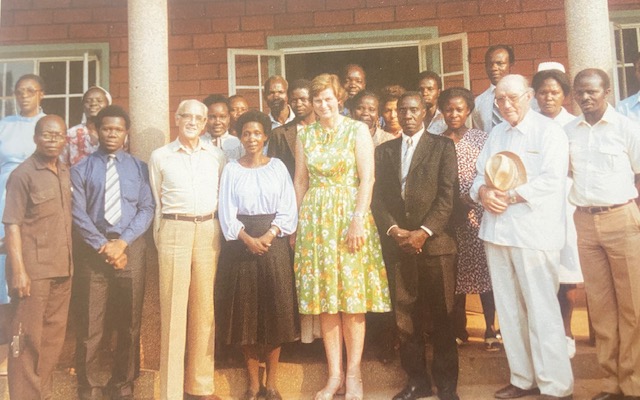
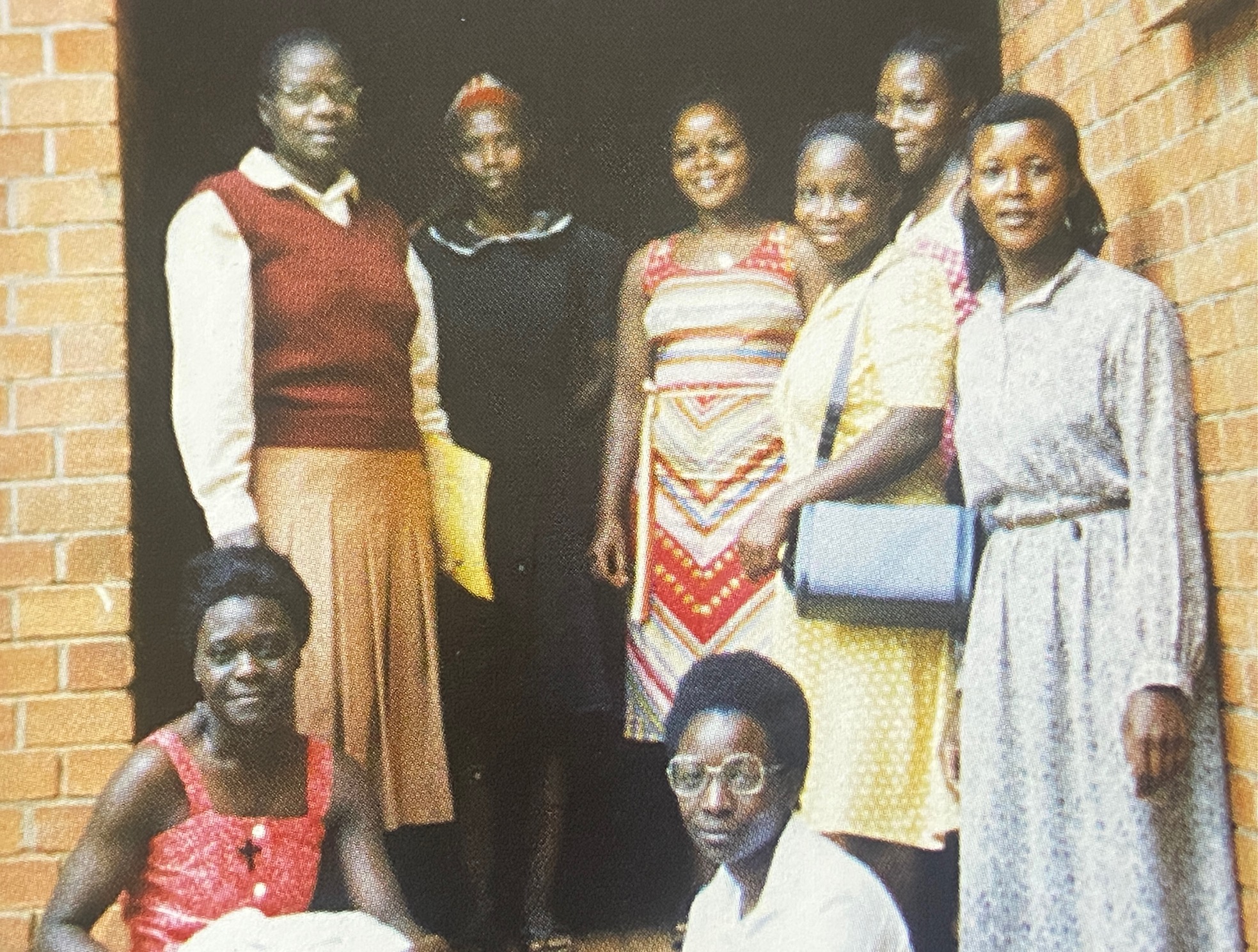
  1. A few of the sisters from The Grail pose for a photo moment. ↩︎
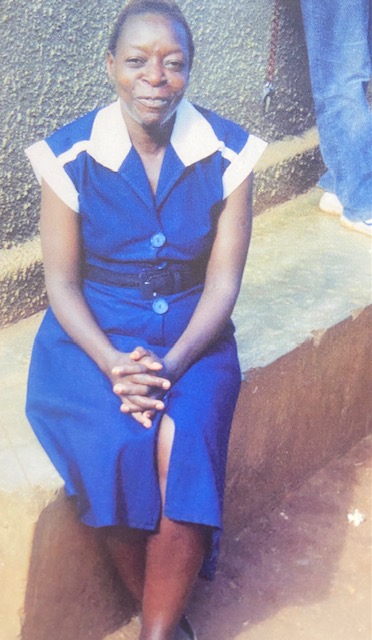
  2. The late, Sister Elizabeth Namaganda ↩︎
  3. The Volkswagen Beetle Patricia used on her trips packed at The Grail ↩︎

Written by Karungi Mary Providence

SEEDS OF HOPE:

The life and work of Patricia Brenninkmeyer.

Episode 2: LIFE AS A SOCIAL WORKER.

Patricia with some of the nurses and sisters together with the babies at Nsambya Babies’ Home.
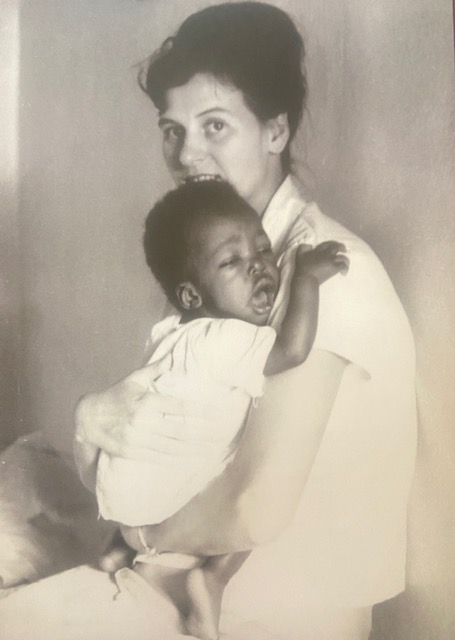
Patricia carrying one of the babies at the Babies’ Home.
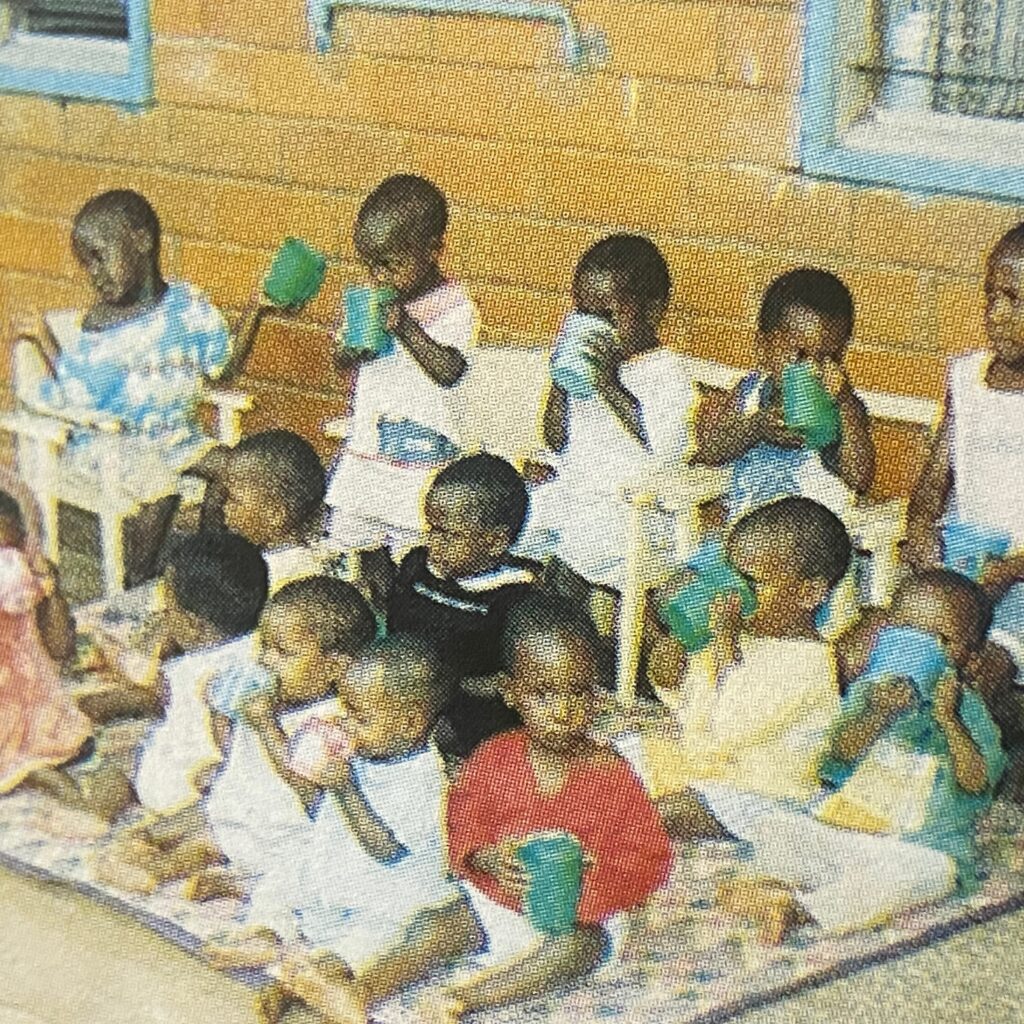
A group of some of the babies having breakfast at the all new redesigned babies home

The seeds of Patricia’s passion to work in a children’s home were sown as she sat by the windowsill in Perugia, gazing upon Umbria. It was at this moment that she decided she would choose the vocation of residential social work that would involve immersion in a children’s home. Indeed luck was on her side when she wrote to a friend of her mother in Belgium who ran a children’s home requesting a months work experience in order to get a feel of the vocation. In fact Patricia somewhat felt the urge to skip her postgraduates degree at St. Andrews that her parents wished for her. Regardless, she went on to pursue her degree at St Andrews hence putting off her social work training for 4 years.

Upon finishing her degree, Patricia went on to do a two-year diploma in applied social studies at Liverpool University in 1961. courtesy of this course,Patricia was sent off to the poorest areas in Liverpool where she was yet again faced with the harsh realities of life as those she was helping lived lives totally different from that she was accustomed to. “I had loads of sympathy for people and plenty of common sense but boy, did i lack experience!.” she best described her situation in Liverpool. The true nature of difficulties of fieldwork made their keen impact felt. She worried that there was little she could do to improve these people’s lives. Patricia later managed to secure a work placement with immigrants in London in 1962 which she met with great excitement as it would be of valuable experience to her as a social worker. Patricia was shocked by the living conditions of the west Indians with whom she worked in England following the Nottingham race riots of 1958 that sparked a great deal of racism in the area.

It is by this profound love for residential social work that would later lead Patricia to Child Welfare and Adoption Society (CWAS), an organization that had been founded by Father Rawlinson in 1958 with an aim of providing a better future for the city’s vulnerable, orphaned children by providing them with good care and protection.

Written by Karungi Mary Providence.


SEEDS OF HOPE:

The life and work of Patricia Brenninkmeyer.

Episode 1: The early life

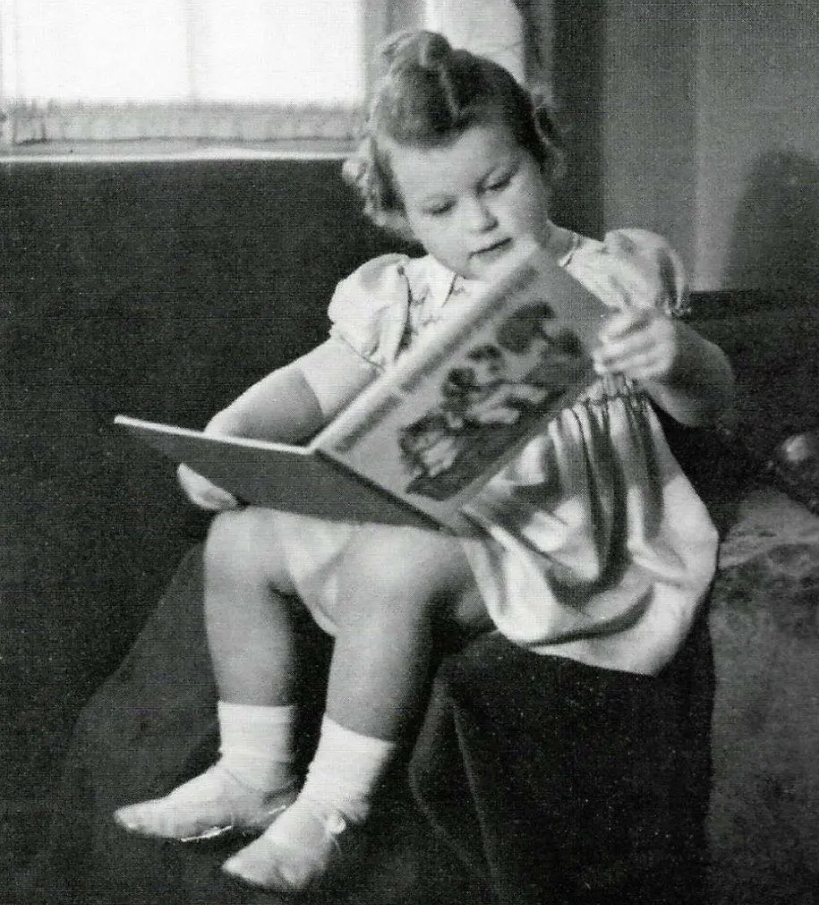
          Patricia as a baby.


      Patricia on her graduation from St. Andrews
Born into a wealthy and renown business family of Arnold and Catherine Brenninkmeyer in 1938, Catherine was nothing short of the ordinary child. Although her family just like everyone else thought she would venture into business, little did they know that this very child would grow to have such an impact on hundreds of families in Africa. From as young as 8 years of age, a seed was planted into this little life. An urge to see beyond the affluent life in Wimbledon, England where she had been birthed. This can be attributed to her teacher at the Agatha Schule in Mettingen where she was taking piano classes among others. This teacher often told her stories of the little black children in Africa, an encounter that birthed her passion and desire to visit Africa and even stay there. Even more, Rev. Fr Jan De Reeper(Mill Hill Missionary Society) , a Dutch missionary priest friend of the Brenninkmeyers often told the family of his encounters in the African missions all while they sat together at the dining table during sunday evening dinners talking just like any normal family would. These two individuals paved the way and determination of Patricia to move to Africa, an idea her parents never welcomed.

Patricia never believed in the power of education if it would not lead her to Africa where her passion lay. Her life in school would be best termed as both humble and humorous as her good results were laboriously attained as her parents instilled more of the effort into her academic life. In order to build her zeal to learn, her parents passed on a deal to her, they would both take a trip with Patricia and Fr. Reeper to South Africa only if she would take Latin lessons with Fr. Reeper in the morning hours then they could all spend the rest of the day visiting and touring the different sites in Africa. Patricia welcomed this deal and went on to attain A’ level in Latin! This trip opened her eyes to the harsh realities of life as these times were the peak of the Apartheid policy in South Africa.

The unfair treatment of the black people in their homeland by the Dutch people did not sit well with Patricia and contrary to her parents’ expectations of her abandoning her urge to move to Africa, this encounter instead created an even bigger zeal in Patricia to make an impact on the lives of these people. Upon her completion of her return home from the trip and completion of her Latin lessons, it was arranged that Patricia take on a finishing course in Rome and Perugia, Italy living with the Grail Society (also known as The Grail), a group of religious lay women known to the Brenninkmeyers.

Patricia was happy with her exposure to all the cultural and artistic wonders that the country had to offer, and with her new found freedom away from home and its expectations.Patricia’s wonderful gift of accepting and quietly relating to people from different backgrounds and abilities, drawing them to co-operate in common enterprise, is the hallmark of her achievements in both England and later, in Uganda.

In the struggles and formative experiences of her early life, in her interaction with so many different and often strong personalities along the way, we find the seedbed that gave shape to a life of remarkable dedication to the well being of thousands who are the richer for having known her and benefited from her.


Written by: Karungi Mary .P


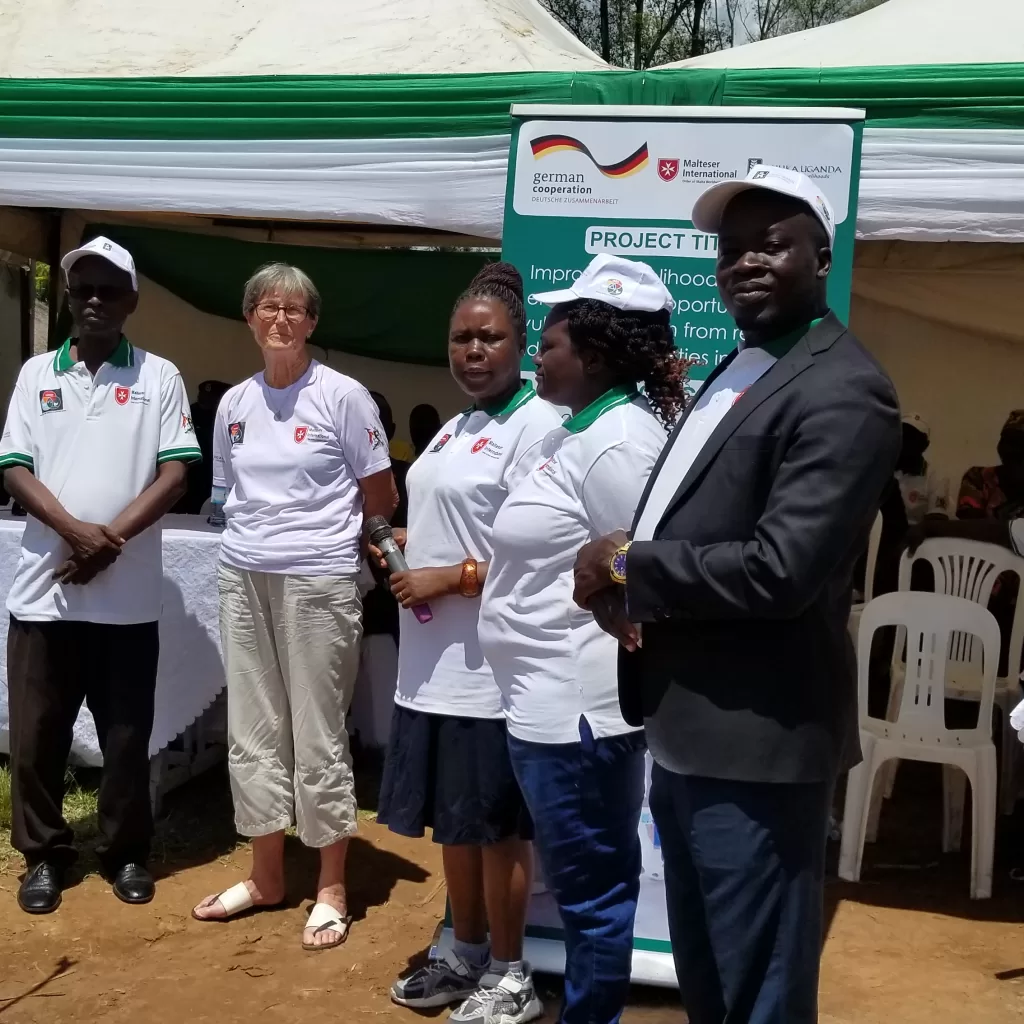
Speech to the Terego One World launch and celebration by Avril Bellinger on 3rd November 2023

My name is Avril Bellinger, Honorary Associate Professor in Social Work at the University of Plymouth, Elder in Residence at the University of Glasgow UNESCO Chair in Refugee Integration through Languages and the Arts (RILA) and most importantly, long-time friend and volunteer with this fantastic organisation Kulika, visiting every year for 15 years.

I am honoured to speak on behalf of the Patron, the Archbishop of Kampala, the Board of Trustees, the Board of Directors, the staff team and the whole enormous Kulika family.

For over 30 years, Kulika has realised its vision of improving the quality of life for communities and environment by transforming livelihoods. It has trained thousands of farmers in ecological organic agriculture (EOA) and spread their influence through farmer-to-farmer extension.

Kulika is delighted to be delivering a pilot for One Health in two districts. It is an opportunity to demonstrate the powerful consequences of EOA to promote health through organic food production; soil conservation; plant and animal health, minimising chemical intervention; waste management; environmental hygiene; and community engagement. We all know that the problems we are facing globally are complex and connected. Kulika works systemically and proactively to increase holistic wellbeing. It continues to support activities after project funding stops and is active in over 27 districts all over Uganda.

The organisation’s core values of integrity, diversity, teamwork, commitment and learning are a point of coalescence for organisations like One Health, who recognise the power of EOA to deliver increased wellbeing to people, animals and planet one household at a time.

To end I want to thank the German funders, BMZ for awarding this third project to Kulika through Malteser whose trust, ongoing support and capacity-building are most appreciated. Finally but not least, thanks to the One Health team and its trainers for braving floods and difficult roads to get us ready for this launch. I give you Kulika! Thank you,

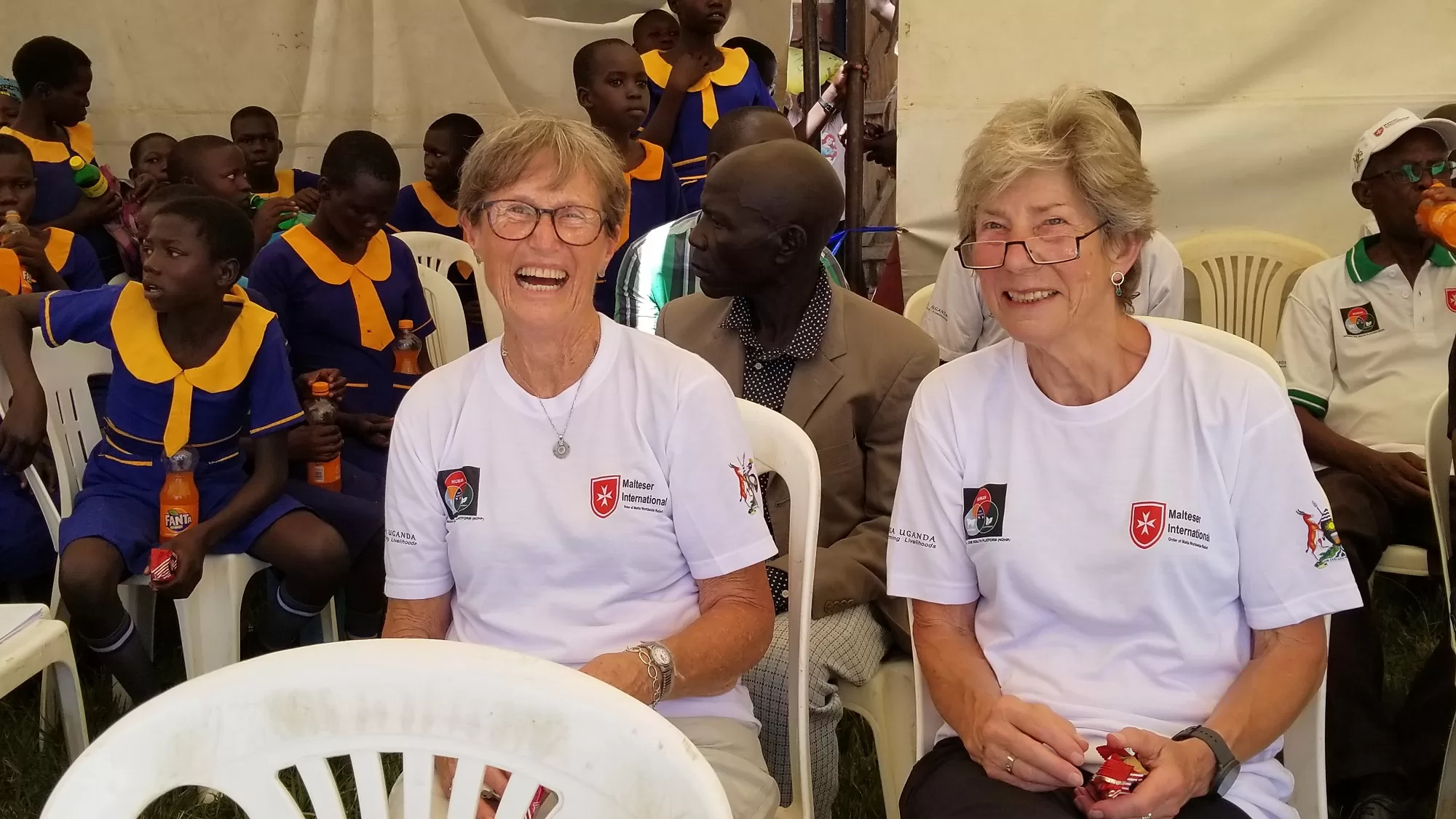
Avril & Viv at the One Health Day Celebration November 2023